
What Is Khat? Everything You Need to Know About Catha edulis
A factual look at the shrub behind one of the Horn of Africa's oldest social traditions — where it grows, why it matters culturally, and where it stands legally today.
Few plants carry as much cultural weight, and as much legal complexity, as khat. Known botanically as Catha edulis, it grows across the highlands of East Africa and the Arabian Peninsula, where chewing its fresh leaves has been a daily social ritual for generations.
Outside that region, khat is far less understood. Some countries treat it as an ordinary agricultural crop. Others classify it alongside controlled substances. This guide lays out the plant's biology, its deep cultural roots, and how its legal treatment differs from one country to the next.
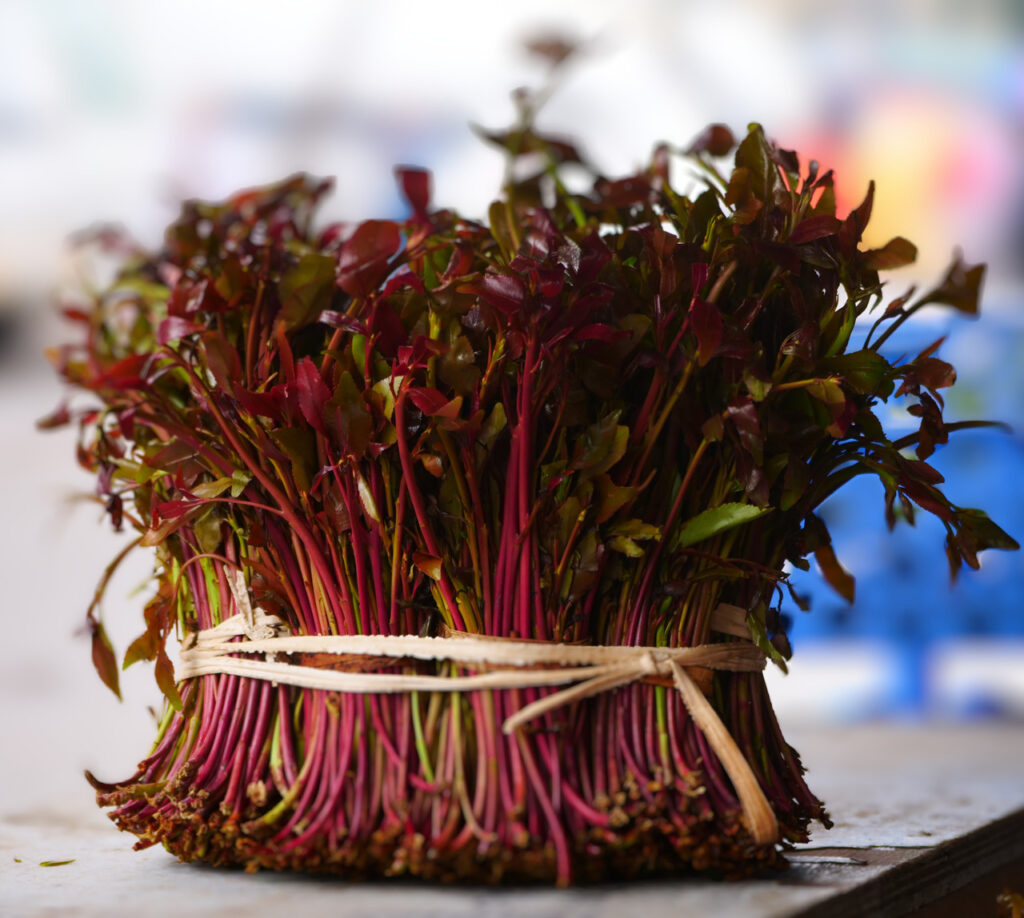
What Exactly Is Khat?
Khat is the common name for the leaves, buds, and tender shoots of Catha edulis, an evergreen shrub in the Celastraceae family. Left unpruned, the plant can grow into a small tree reaching several meters in height. Farmers typically keep it trimmed low and bushy, which makes harvesting the young, soft growth easier and encourages the plant to keep producing new shoots year-round.
The shrub thrives at altitude, generally between 1,500 and 2,500 meters above sea level, where cooler nights and well-drained volcanic soils produce the most tender leaves. This is why the highlands of Kenya, Ethiopia, and Yemen have long been centers of cultivation.
| Attribute | Detail |
|---|---|
| Scientific name | Catha edulis |
| Plant family | Celastraceae |
| Common names | Khat, qat, chat, miraa, jaad, Abyssinian tea |
| Native range | Horn of Africa and southern Arabian Peninsula |
| Growing altitude | Roughly 1,500–2,500 meters above sea level |
| Active compounds | Cathinone and cathine (naturally occurring stimulant alkaloids) |
| Typical part used | Fresh young leaves and tender stems |
How the Plant Is Grown and Harvested
Khat farming is labor-intensive by nature. Because only the newest, softest growth is worth picking, farmers return to the same shrubs every few weeks throughout the year rather than harvesting once per season. Pruning encourages fresh flushes of tender shoots, so a well-managed khat farm behaves more like a continuously cropped hedge than a conventional orchard.
Soil quality, rainfall, and shade all influence leaf potency and flavor, which is why growers and buyers alike distinguish between khat from different micro-regions much the way coffee is graded by origin. In Kenya's Meru County, for instance, specific growing zones have built reputations for producing leaf considered superior by local standards.
Because the leaves lose potency quickly, the supply chain is built entirely around speed. Harvested khat is typically bundled, wrapped in banana leaves or damp cloth to retain moisture, and moved to market or export points within hours. This urgency has shaped everything from local transport networks to, in Kenya's case, dedicated overnight freight routes connecting growing regions to Nairobi's international airport.
A Tradition Measured in Centuries
Chewing khat is not a modern habit. Historical accounts trace the practice back well over a thousand years in the Horn of Africa and Yemen, long predating the arrival of coffee, which some historians believe was first cultivated as an alternative stimulant in the same region.
In Yemeni and East African communities, khat sessions traditionally happen in the afternoon. Friends, neighbors, or extended family gather to sit, talk, and chew slowly over the course of several hours. These gatherings, sometimes called mafresh in Yemen or baraza-style sittings in parts of East Africa, function as informal town halls where news, disputes, business, and community matters are discussed.
The plant also carries ceremonial weight. It has featured in weddings, religious observances, and welcoming rituals for visitors, where offering khat is treated as a gesture of hospitality, similar to how other cultures might offer tea or coffee to a guest.
Some historical accounts link khat's early spread to Sufi religious communities in Yemen and Ethiopia, who reportedly used it to stay alert during long nights of prayer and study. From there, the practice moved into broader civilian life, eventually becoming woven into everyday social rhythm rather than remaining a specialized or restricted custom.
Poets, oral historians, and folk musicians across the region have referenced khat sessions in their work for generations, treating the gathering itself, rather than the plant, as the real subject: a space for storytelling, debate, courtship, and community problem-solving that happens to unfold around an afternoon chewing session.
Economic Roots in the Region
In Kenya, khat is widely known as miraa, and it is a formally recognized cash crop grown mainly in Meru County. Ethiopia collects excise tax on chat, as it is locally called, treating it as a legitimate agricultural export. In both countries, thousands of farming households depend on it as a primary source of income, alongside logistics networks built around getting the highly perishable leaves to market within hours of harvest.
Beyond the farm gate, an entire secondary economy has grown around khat: bundlers, wholesalers, motorbike couriers, market stall operators, and, in Kenya's case, air cargo handlers who prioritize khat shipments the way perishable flowers or seafood might be prioritized elsewhere. For some rural counties, miraa income has historically rivaled or exceeded revenue from more conventional cash crops like coffee or tea.
Because the trade touches so many households, shifts in policy, whether a foreign import ban or a change in domestic tax structure, tend to have an outsized ripple effect on local employment in these specific growing regions.
The Chemistry Behind the Effect
Fresh khat leaves contain two natural alkaloids, cathinone and cathine, both structurally related to amphetamine. Cathinone is the more potent of the two and begins degrading soon after the leaves are picked, which is why traditional consumption always centers on fresh, recently harvested material rather than dried or stored leaves.
When chewed over a few hours, these compounds act as mild central nervous system stimulants. Traditional users describe increased alertness, talkativeness, and a mild sense of well-being, broadly comparable in mechanism, though not in strength, to the stimulant effect of coffee.
Health researchers have also documented downsides. Regular, heavy use has been associated with insomnia, appetite suppression, elevated blood pressure, and dental and gum issues from prolonged chewing. Some studies note psychological effects, including anxiety or low mood, once the stimulant effect wears off. As with any psychoactive substance, moderation and individual health context matter, and this article is not medical guidance.
Clinical literature on khat is smaller than that of more widely studied stimulants, partly because legal restrictions in many countries have limited research access to the fresh plant material. Most published studies come from population surveys in Yemen, Ethiopia, and the Somali diaspora, alongside a smaller body of controlled research on isolated cathinone and cathine compounds conducted in jurisdictions where that work is permitted.
Public health authorities in countries where khat is banned generally cite its stimulant profile, alongside social and community health concerns raised by some diaspora groups, as the basis for restriction. Authorities in countries where it remains legal generally point to its long, stable history of use and its comparatively lower acute toxicity relative to synthetic stimulants as reasons it has not been prohibited domestically.
🍃 Key Takeaways
- Khat is the leaf and shoot of Catha edulis, a shrub native to East Africa and the Arabian Peninsula.
- Its use as a social and ceremonial stimulant dates back well over a thousand years.
- The active compounds, cathinone and cathine, are naturally occurring stimulants related to amphetamine.
- Legal status varies enormously by country — legal and taxed in some, a controlled substance in others.
- Fresh leaf quality matters more than volume, since cathinone degrades quickly after harvest.
Where Khat Is Legal — and Where It Isn't
This is the area with the most confusion, because khat's legal treatment does not follow a single global standard. Some governments regulate it like an ordinary crop. Others have placed it in the same category as controlled narcotics, largely because of its cathinone content.
| Region / Country | Legal Status |
|---|---|
| Kenya | Legal; recognized agricultural crop, locally called miraa |
| Ethiopia | Legal; taxed as an export commodity, locally called chat |
| Somalia | Legal and widely consumed |
| Djibouti | Legal; regulated under general tax law |
| Yemen | Legal; deeply embedded in daily social life |
| United Kingdom | Banned; classified as a controlled substance since 2014 |
| United States | Cathinone is Schedule I; khat is treated as illegal to import or sell |
| European Union (most states) | Illegal in the large majority of member states |
| Canada, Australia, New Zealand | Illegal / controlled substance |
| Saudi Arabia | Banned, with strict enforcement |
| Jordan | Banned |
Even within countries that permit khat, the rules can be nuanced. In the United Kingdom, for example, cathinone and cathine were controlled substances even before the plant itself was banned outright in 2014, a policy shift driven partly by concern that the UK could become a regional transit hub once neighboring European countries tightened their own laws.
Because legal status can change and enforcement varies by jurisdiction, anyone researching khat for personal, academic, or trade purposes should verify current regulations with official government sources in the specific country in question rather than relying on general summaries.
Why the Global Legal Picture Is So Uneven
Part of the divide comes down to how each country's drug policy was built. Nations where khat has centuries of embedded cultural use tend to regulate it the way they would coffee or tobacco: through taxation and agricultural policy rather than criminal law.
Countries with no historical tradition of khat use, by contrast, largely encountered it through diaspora migration from the 1980s onward. Lacking cultural context, many of these governments evaluated khat primarily through its pharmacology, its cathinone content, and its similarity to other regulated stimulants, which pushed it toward controlled substance status.
This split explains why the same plant can be a taxed cash crop in one country and a banned narcotic a short flight away.
Enforcement also varies within the "banned" category. Some countries pursue khat trafficking cases actively at ports of entry, treating shipments the way they would treat any controlled substance. Others have the plant listed as prohibited in statute but devote comparatively little enforcement attention to it, particularly for small personal quantities, since resources are concentrated on substances associated with more severe public health harm.
How Khat Compares to Other Regulated Stimulants
Placing khat next to more familiar stimulants helps explain why its legal treatment is so inconsistent. Caffeine, found in coffee and tea, is unregulated worldwide and has a long history of everyday use with a well-understood, comparatively mild risk profile. Amphetamine-type stimulants, at the other end of the spectrum, are tightly controlled almost everywhere due to a higher potential for harm and dependence.
Khat sits in between. Its natural cathinone content gives it a stimulant effect stronger than caffeine but generally regarded by researchers as milder and shorter-acting than synthetic amphetamines. That middle position is precisely why different regulatory traditions have landed in different places: countries that evaluate it primarily through cultural and historical use tend to treat it more like caffeine, while countries that evaluate it primarily through its pharmacology tend to treat it closer to a controlled stimulant.
| Substance | Typical Regulatory Treatment |
|---|---|
| Caffeine (coffee, tea) | Unregulated worldwide |
| Khat (fresh leaf) | Legal in parts of East Africa and Yemen; banned in much of Europe, North America, and the Gulf |
| Cathinone (isolated compound) | Controlled substance in most jurisdictions, including where the whole plant is legal |
| Amphetamine-type stimulants | Tightly controlled or prescription-only almost everywhere |
What This Means for Travelers and Researchers
Anyone crossing borders with an interest in khat, whether academic, cultural, or simply curious, runs into the same practical issue: the plant's status can change at the border even when the flight itself is short. A quantity that is a normal household purchase in Nairobi or Addis Ababa can be treated as a prohibited substance on arrival in London, Toronto, or Sydney.
Airport authorities in countries where khat is banned have specifically flagged it in customs guidance, partly because its short shelf life means shipments tend to move quickly and in bulk once they leave growing regions. Researchers studying the plant have also noted that import restrictions make it difficult to source fresh material for clinical study outside of the handful of countries where cultivation is legal, which partly explains the comparatively thin body of peer-reviewed research relative to more widely studied stimulants.
For anyone approaching khat from outside its home region, the safest starting point is simply confirming current law with an official government source for the specific country in question, since summaries like this one describe the general picture rather than a fixed, unchanging rule.
Closing Thoughts
Khat is, at its core, a plant with two very different identities. In its native highlands, it is a farmed crop, a social institution, and a source of livelihood for entire communities. Beyond that region, it is frequently treated as a controlled substance, evaluated mainly through the lens of its stimulant chemistry rather than its cultural context.
Neither framing is wrong; they simply reflect different histories with the same plant. Understanding both sides, the centuries-old social tradition and the modern regulatory patchwork, gives a fuller picture than either perspective offers on its own.